
IPTV Malta Comparison: Cheap vs Premium Services and How to Choose a Stable Subscription
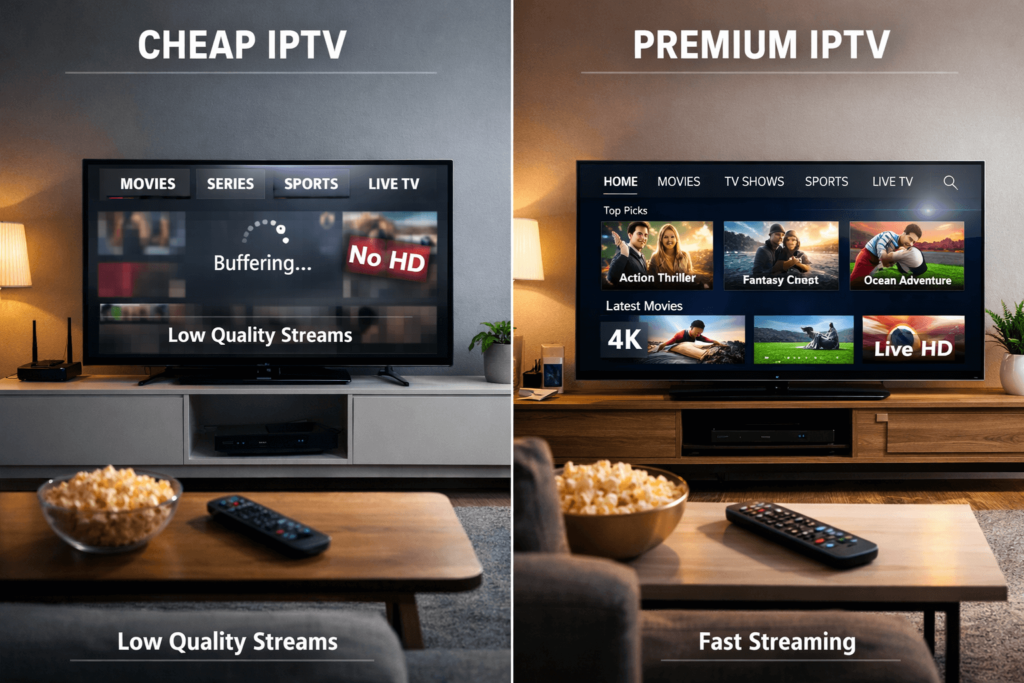
Not all IPTV services are built the same way, and the price difference between a budget provider and a premium one rarely tells the full story. For consumers in Malta trying to navigate a crowded and uneven market, making an informed decision requires understanding what actually separates a stable, well-maintained service from one that cuts corners. This IPTV Malta comparison breaks down the key differences between cheap and premium offerings, explains what drives those differences technically, and helps you identify what to look for before committing to any subscription.
What Cheap IPTV Services Actually Offer
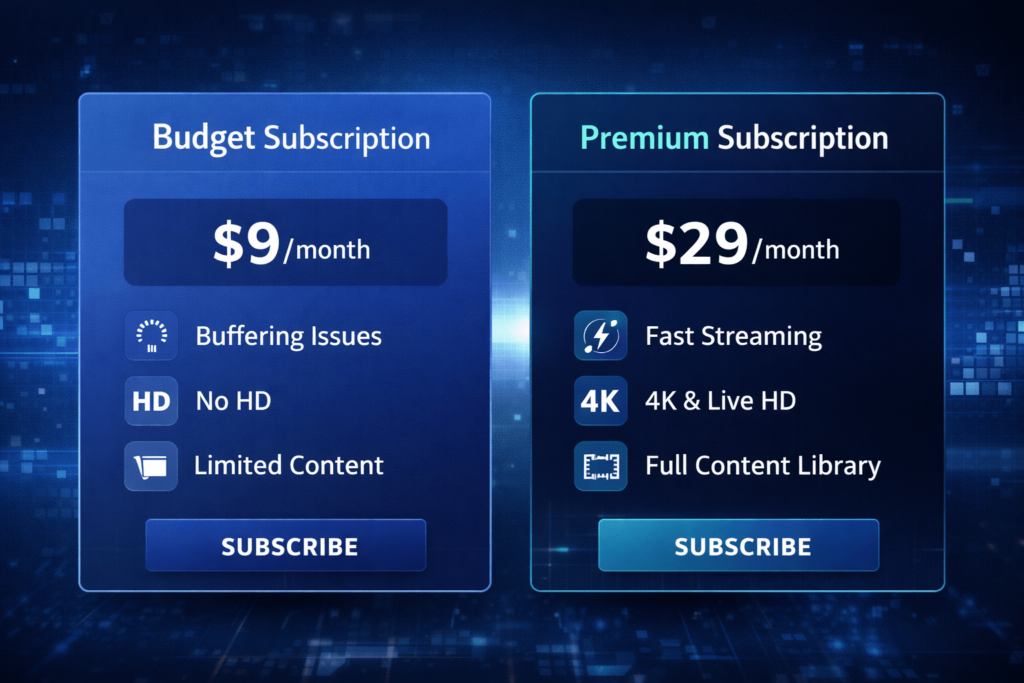
Budget IPTV services typically attract attention through very low monthly pricing, sometimes as little as a few euros per month. On the surface, the channel count can appear impressive — some advertise thousands of channels from dozens of countries. However, the reality behind that number often tells a different story.
Cheap providers frequently operate with minimal server infrastructure. Rather than investing in dedicated servers with high bandwidth capacity, they often route streams through overcrowded shared servers that struggle under simultaneous demand. During peak viewing hours — evenings, weekends, and live sporting events — this congestion becomes immediately apparent in the form of buffering, freezing, or complete stream dropout.
Additionally, budget services rarely maintain their channel lists actively. Channels may appear in the EPG but fail to load, or streams may work inconsistently depending on the time of day. For casual users who watch infrequently and are not bothered by occasional interruptions, this level of service may be acceptable. However, for households that rely on IPTV as their primary television source, the unreliability quickly becomes frustrating.
What Premium IPTV Services Invest In
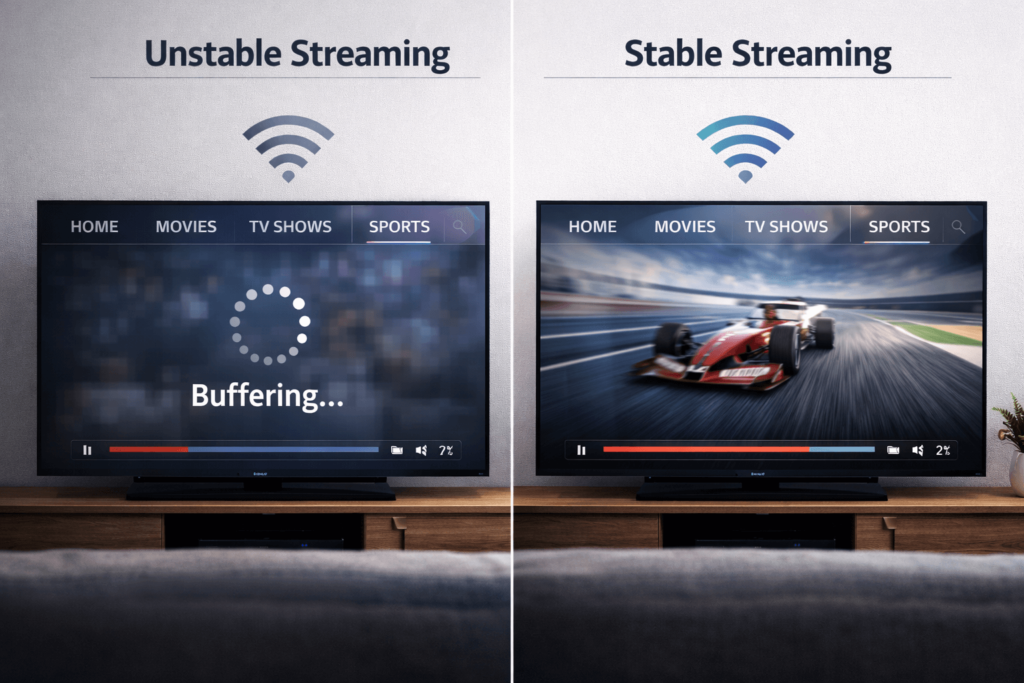
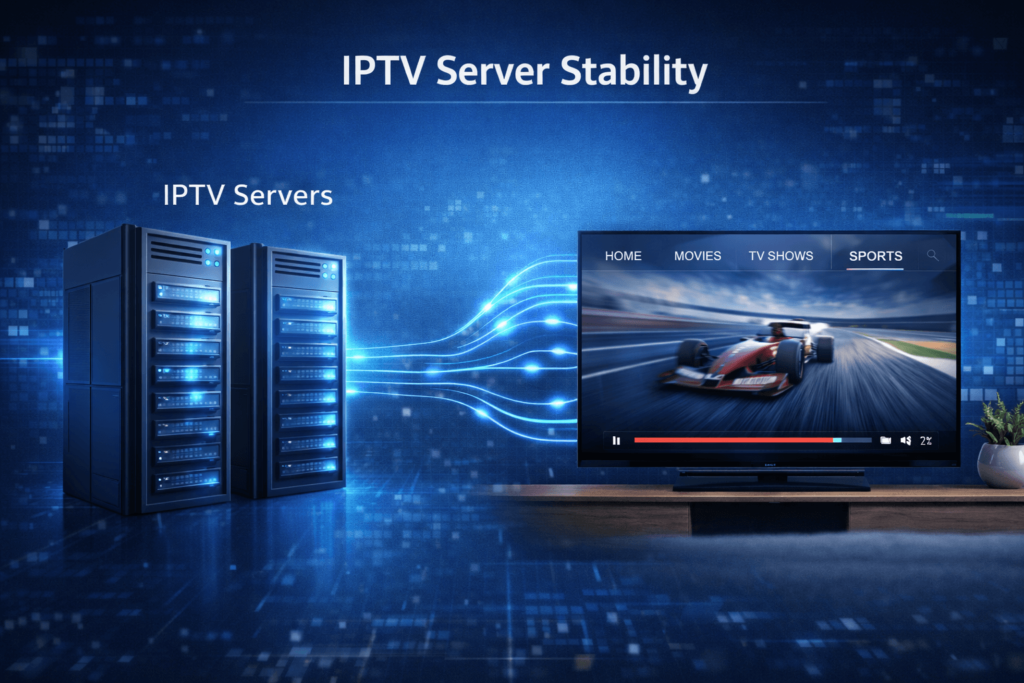
A premium IPTV service justifies its higher price through infrastructure, reliability, and support. The most significant investment a quality provider makes is in server capacity and network architecture. Premium services typically operate dedicated servers with substantial bandwidth allocation and, crucially, use Content Delivery Networks to distribute stream delivery across multiple geographic nodes. This means the load is spread efficiently and individual users receive streams from a server closest to their location, reducing latency and buffering considerably.
Server uptime is another distinguishing factor. Reputable providers monitor their infrastructure continuously and address outages rapidly. Cheap services, by contrast, may experience downtime for hours or days without any communication to subscribers.
Furthermore, premium services maintain their channel and VOD libraries actively. Streams are tested regularly, broken links are fixed promptly, and new content is added systematically. This ongoing maintenance requires staff and investment — costs that budget providers typically avoid, and which directly explains the quality gap between the two tiers.
Streaming Stability: The Technical Factors That Matter
Any useful IPTV Malta comparison must address streaming stability in practical terms, because this is ultimately what separates a satisfying viewing experience from a frustrating one.
Stability depends on three interconnected elements: the provider’s server performance, the quality of the stream encoding, and the user’s own internet connection. A premium provider handles the first two with professional-grade infrastructure. The third element — your home broadband — remains your responsibility.
For standard HD content, a stable connection of 10 to 15 Mbps is generally sufficient. For 4K streams, 25 Mbps or above is recommended. In Malta, where fibre-optic broadband is widely available across Valletta, Sliema, St Julian’s, and most residential areas, most households comfortably meet these thresholds.
However, even a fast connection cannot compensate for a provider running underpowered servers. If a service is delivering a degraded or unstable stream from the source, no amount of local bandwidth will improve the experience. This is why server infrastructure on the provider side is the most critical stability factor in any honest comparison.
Video Quality: HD and 4K Availability
Video quality is another area where cheap and premium services diverge noticeably. Budget providers often compress streams heavily to reduce bandwidth usage on their servers, resulting in blocky or pixelated images even on channels nominally listed as HD. True HD delivery requires consistent bitrates that overloaded servers cannot maintain reliably.
Premium services encode streams at appropriate bitrates for each resolution tier. Standard definition channels look clean, HD channels deliver the sharpness expected from modern screens, and 4K channels — where available — provide the level of detail that justifies owning a 4K television. For households in Malta with modern smart TVs or 4K-capable projectors, this distinction is immediately visible.
Additionally, audio quality follows the same pattern. Compressed, low-bitrate streams frequently carry degraded audio alongside poor video, while properly maintained services deliver clean stereo or Dolby-compatible audio across their channel lineup.
Multi-Device Support and Simultaneous Connections
Family households and shared living arrangements in Malta often need more than one simultaneous stream. This is another area where the IPTV Malta comparison between cheap and premium providers produces a meaningful difference.
Budget services may technically advertise multi-connection support, but their server capacity rarely handles it gracefully. Activating a second or third simultaneous stream on an already-congested server can degrade the quality of all active streams at once.
Premium providers engineer their infrastructure specifically to handle multiple simultaneous connections per account without degradation. For a household where one person watches live sport in the living room while another follows a series in the bedroom, this reliability is not a luxury — it is a basic functional requirement.
Customer Support: Often Overlooked, Always Important
Technical issues arise with any internet-based service, and how a provider responds when something goes wrong reveals a great deal about the quality of the overall offering. Budget providers often operate with no meaningful support infrastructure — responses to queries may take days, or never arrive at all.
Premium services invest in responsive support channels. Some providers offer direct communication options such as WhatsApp, where users can report issues and receive prompt assistance. This kind of accessible support is particularly valuable when a stream stops working during a live event or when a new device needs to be configured.
Before subscribing to any service, testing the support channel with a pre-subscription question is a practical way to gauge responsiveness. A provider that answers promptly and knowledgeably before you have paid is significantly more likely to be helpful after you have.
Who Should Consider a Budget vs Premium Service
Budget IPTV may be a reasonable starting point for users who want to test internet television for the first time and are willing to accept inconsistent quality in exchange for a very low cost of entry. However, it is worth approaching these services with realistic expectations.
Premium IPTV, by contrast, suits households that use television regularly and value consistent performance. Families, sports viewers, expats following specific international channels, and anyone who has experienced the frustration of buffering during an important broadcast will typically find the additional cost of a premium service justified by the difference in day-to-day reliability.
For users evaluating specific providers in Malta, reviewing the legal documentation and terms of service before subscribing is always advisable. Platforms such as https://iptvmalta4k.com/ make their usage policies accessible at https://iptvmalta4k.com/legal, which allows prospective subscribers to make an informed decision with full transparency.
Malta’s broader audiovisual media landscape is regulated under the framework managed by the Malta Broadcasting Authority, whose role and standards are outlined at https://www.mba.org.mt/. Understanding this context helps consumers evaluate providers within a regulated market environment.
Conclusion
A thorough IPTV Malta comparison between cheap and premium services consistently points to the same conclusion — price alone is a poor guide to value. What matters is server infrastructure, streaming stability, video quality, multi-device support, and the responsiveness of customer service. For consumers in Malta choosing a subscription in 2026, investing the time to evaluate these factors honestly before subscribing will deliver a significantly better long-term experience than selecting a service based purely on the lowest available price.